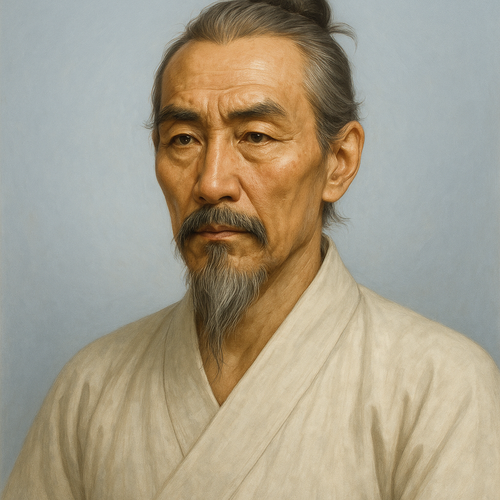
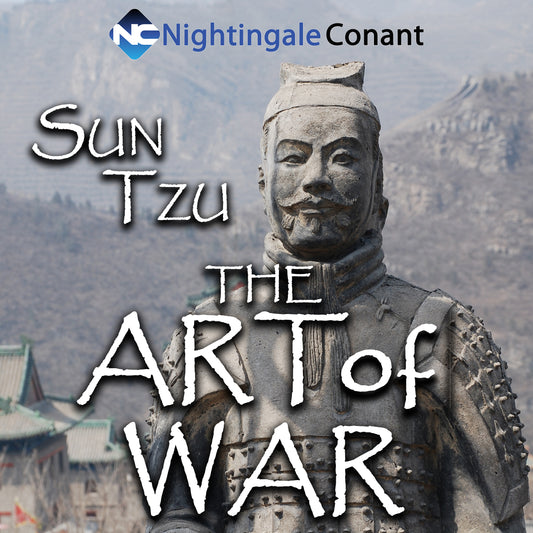
Sun Tzu (544–496 BC) was a Chinese military general, strategist, philosopher, and writer who lived during the Eastern Zhou period of ancient China. He is traditionally credited as the author of The Art of War, a treatise on military strategy and tactics that has endured for more than 2,500 years as one of history's most influential works. Little is known with certainty about his personal life, but ancient Chinese tradition holds that he served as a general and military advisor to King Helü of Wu, leading the state's armies to a series of decisive victories. His reputation for brilliance was such that his name became synonymous with strategic genius across East Asia for millennia.
The Art of War is structured as thirteen concise chapters, each addressing a distinct aspect of warfare — from strategic planning and battlefield maneuvering to the use of intelligence and the psychology of leadership. What sets the work apart is its timeless insight into competition, conflict, and the nature of winning: Sun Tzu argued that the supreme art of war is to defeat the enemy without fighting, that knowledge of self and adversary is the foundation of all victory, and that flexibility, deception, and the efficient use of resources are more powerful than brute force. These principles translate with remarkable precision into the modern world of business, negotiation, leadership, and personal achievement.
At Nightingale-Conant, Sun Tzu's teachings are presented as a living philosophy for anyone seeking to gain competitive advantage, build resilient strategies, and lead with clarity and confidence. His work has been embraced by CEOs, entrepreneurs, athletes, and military leaders alike — proof that the deepest truths about human competition transcend time, culture, and context. Whether you are navigating a boardroom, a marketplace, or the challenges of everyday life, The Art of War offers a masterclass in strategic thinking that remains as relevant today as it was in ancient China.